Starbucks x TikTok: Why "Employee-Generated Content" Just Got a Serious Marketing Budget
Cannes Lions 2026 delivered plenty of headline-grabbing AI announcements, but one of the most culturally significant stories of the week wasn't about generative video models or agentic ad tools. It was about baristas.
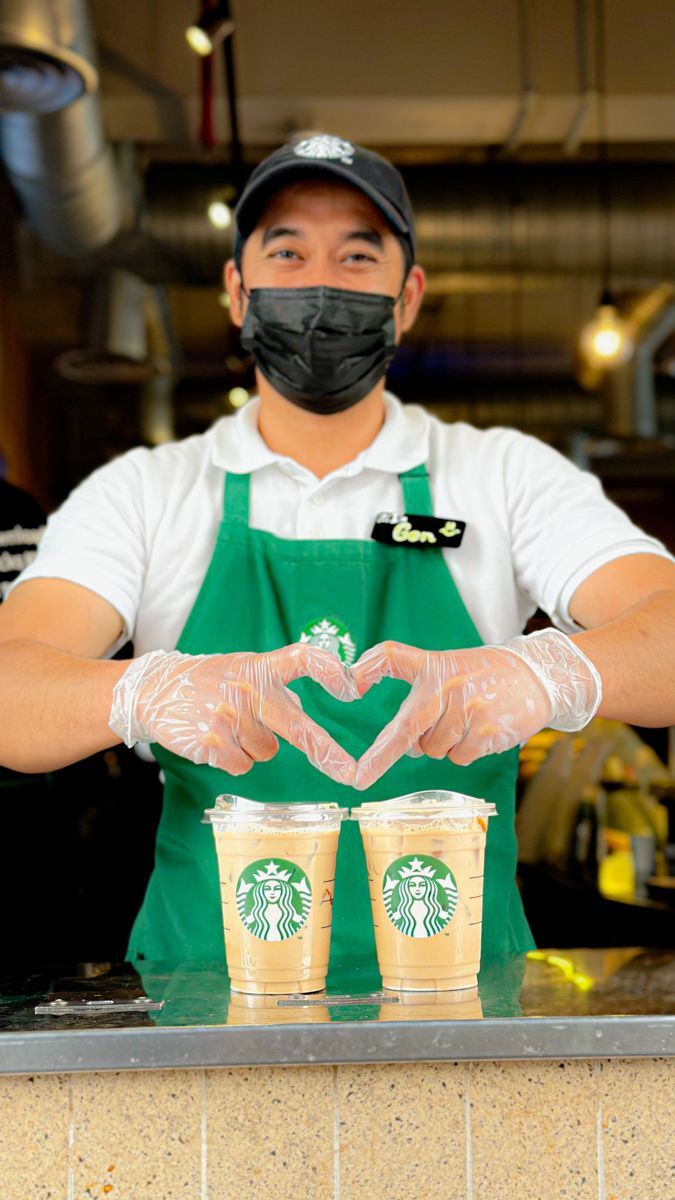
Starbucks and TikTok used the Cannes stage to announce that Starbucks will become the first brand to pilot TikTok's new Custom Creator Networks, a feature built directly into TikTok's Content Suite. The network allows Starbucks employees to receive creative briefs, participate in content creation, and access ad revenue sharing. It's a formal, monetised evolution of something Starbucks has been quietly building for years and it's a signal worth paying attention to for any brand thinking about where authentic content fits into a 2026 marketing strategy. Net Influencer
From "Green Apron Creators" to a Full Creator Economy
This isn't Starbucks dipping a toe into employee content for the first time. In 2024, the company formalised barista content by launching its Green Apron Creators Program, where employees can earn extra cash by posting videos about their jobs online. The new TikTok partnership builds directly on top of that foundation, but adds real commercial infrastructure: Starbucks will issue briefs to employee creators and compensate them for the content they produce through a share of advertising revenues. TubefilterHR Grapevine USA
Crucially, the pilot is set to launch this summer, with expansion based on lessons learned as a genuine test, rather than a finished playbook. Starbucks is treating employee-led content the way any smart brand treats a new channel: test, learn, scale. Marketing Dive

Why Starbucks, Specifically?
There's a simple reason TikTok chose Starbucks as the launch partner: the data already pointed there. Starbucks' employees post at a three times higher rate than employees at similar-sized chains. The company didn't invent this marketing tactic, the cultural behaviour already existed among its largely Gen Z workforce, and Starbucks has chosen to support and amplify rather than control. Marketing Dive
TikTok described Custom Creator Networks as a way to "allow advertisers to build a curated pool of creators, employees, partners, or brand advocates to receive campaign briefs or turn their existing brand-relevant videos into high-performing ads."
This Isn't Happening in Isolation
61% of Gen Z, and 40% of the population overall, say they frequently learn about new products through these employee and creator-led posts, with retailer Staples following suit with a similar strategy for Kaeden Rowland, (known as the "Staples Baddie"), who posts ASMR-style videos about her job and has amassed nearly 600,000 TikTok followers.
It's also worth noting the broader context TikTok is building this into. The Custom Creator Network sits alongside Symphony Agent, TikTok's new agentic AI tool that lets marketers generate video ad campaigns from text prompts, images, and video examples, surfacing performance-informed trending content for marketers to build from. Authentic, human-made employee content and AI-assisted ad generation are being rolled out by the same platform, in the same week, which is a clear hint at where TikTok sees the next phase of brand marketing heading: a blend of real voices and AI-accelerated production, not one replacing the other. Net Influencer
Truffle's Prediction
We think this pilot won't stay a Starbucks-only story for long. Expect other large, employee-heavy consumer brands across retail, hospitality, QSR, to pursue similar custom creator infrastructure within the next 12–18 months, particularly once Starbucks shares performance data from its summer rollout. The brands that get there first and do it with their employees will be the ones who build genuinely durable trust with younger consumers.
The bigger question we're watching: will employee-generated content evolve into a standard line item in every brand's marketing budget the way influencer marketing did a few years ago? Cannes Lions 2026 suggests the industry is already betting yes.